CDC Issues New Report on Measles Cases and Outbreaks
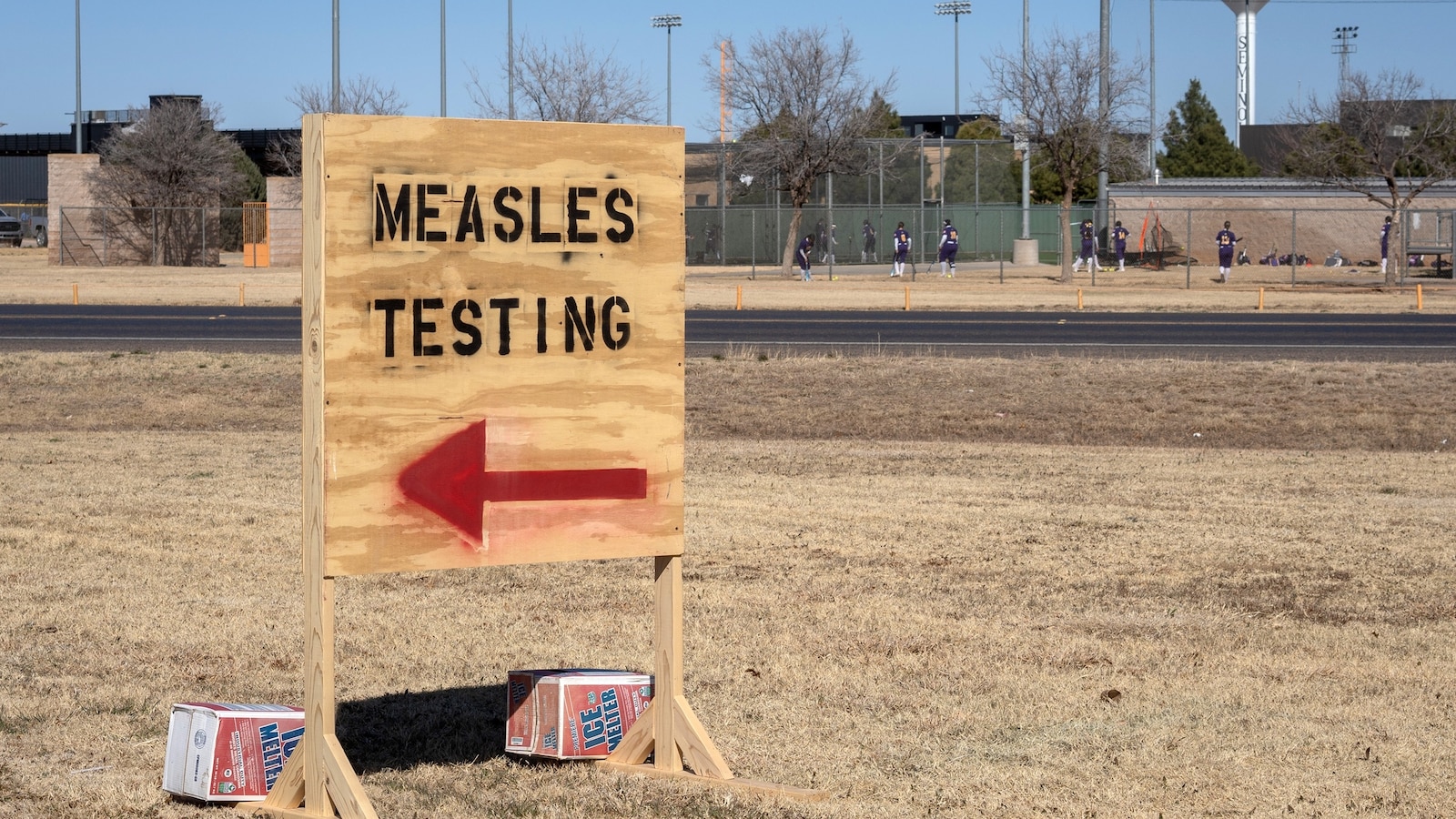
The Centers for Disease Control and Prevention just issued a new report on measles cases and outbreaks. Health officials want everyone to pay attention to how quickly this illness can spread in public spaces. Families across the country should review their health records and know what symptoms to watch for right now.
What the CDC reported on measles cases and outbreaks
The latest agency update gives critical details on measles cases and outbreaks affecting various communities. Officials track these numbers closely because a small cluster can rapidly turn into a larger public problem. Doctors say staying informed helps parents and local schools stop infections before they reach vulnerable people.
The virus moves through the air when an infected person coughs or sneezes in a shared room. People can catch it even hours after a sick person has left the area. Because the virus is so contagious, health teams work quickly to find every person who spent time near an active case.
Why are measles cases rising again right now?
Health leaders point to several reasons why these illnesses keep popping up in different regions. Gaps in basic childhood shots leave entire classrooms and neighborhoods open to sudden spread. You can learn more about the illness by reading about Measles and how it affects the body.
International travel also plays a big part in bringing infections back into local towns. Unprotected travelers catch the bug while abroad and return home before they show any rash or fever. Recent years have seen a clear Measles resurgence in the United States that worries many pediatricians.
What everyday signs should families watch for?
Knowing the early signs can help you protect your loved ones and get medical help right away. Most people begin to feel ill about a week or two after being near someone with the virus. Here are the common warnings that doctors tell patients to check for at home:
- A high fever that starts suddenly and climbs quickly.
- A dry cough, runny nose, and red, watery eyes.
- Small white spots that appear inside the cheeks of the mouth.
- A red, flat rash that begins on the face and moves down the body.
If you see these warning signs, call your clinic before you walk into a waiting room. Calling ahead allows nurses to give you a private space so you do not expose other patients. Taking this quick step keeps babies, older adults, and people with weak immune systems safe from harm.
What happens next for local communities
State and federal health teams will keep sharing new case numbers as clinics send in test results. School districts often review their student health forms during an alert to ensure all children have safe coverage. If numbers keep climbing, local leaders may ask unimmunized people to stay home after an exposure.
Everyday citizens can protect their households by checking their family shot records with a family doctor. Most people only need to confirm they finished their normal doses years ago to stay protected. Staying alert and acting early is the best way to keep our towns safe from preventable illnesses.

Comments
Post a Comment